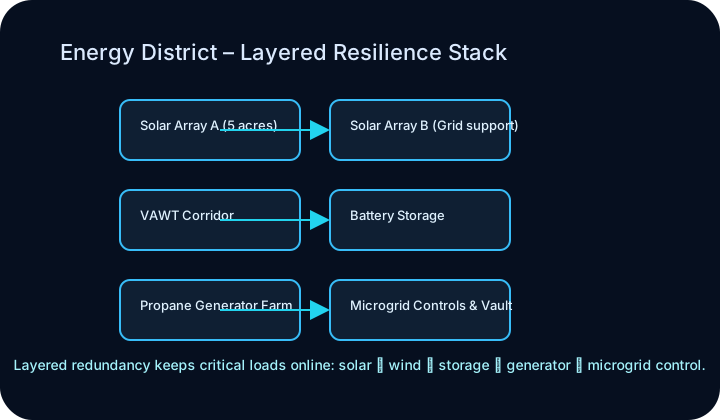
The STX Resilience Campus is powered by a purpose-built renewable microgrid that
combines solar, wind, battery storage, and propane hybrid generation into a
unified system. This architecture allows the campus to operate independently
of the island grid during blackouts while providing cleaner, more stable power
under normal conditions.
As a core component of the $130M (Phase 1) campus investment, the energy
system is both a resilience asset and an economic engine for St. Croix.
Last updated: 2026-01-24
Energy District Snapshot
Dedicated energy footprint10 acres of dual solar fields
Primary array5-acre field covering core campus loads
Secondary array5-acre export & grid-support field
Battery storageIsland-mode autonomy for critical loads
Wind corridorLow-profile VAWTs for storm conditions
Generator reservePropane farm for multi-week blackouts
Energy Mission
The energy strategy for the STX Resilience Campus is built on four commitments:
Reliability: Maintain power through hurricanes, grid failures, and prolonged outages.
Renewable Leadership: Maximize solar and wind use, minimizing fossil-fuel dependence.
Economic Stability: Reduce long-term operating costs and generate revenue through grid support.
Humanitarian Capacity: Ensure power for sheltering, food, water, communications, and medical services during crises.
Primary Solar Array
The primary solar array provides the bulk of daily power for campus operations:
Optimized orientation for St. Croix’s latitude, maximizing annual production.
Hurricane-rated racking systems designed for high wind loads.
String inverters or central inverters with rapid shutdown capability.
Direct coupling to the battery storage system for daytime charging.
This field is sized to cover core campus loads, including Village 5, the CRC, The Vault, water systems,
and baseline site operations.
Secondary Solar Field for Grid Support
A secondary solar installation is dedicated in part to grid interaction:
Export capability to the island grid under net-metering or PPA structures.
Flexible dispatch to either campus loads or grid-support functions.
Revenue potential to offset operating costs and reinvest in veteran services.
This dual-array configuration enables the campus to operate as a renewable micro-utility
for St. Croix in addition to serving its own needs.
Vertical-Axis Wind Turbines
To complement solar production, low-profile vertical-axis wind turbines (VAWTs) are deployed in
carefully selected corridors:
Designed for turbulent, changing wind directions common during storms.
Lower visual impact and reduced noise compared with traditional horizontal-axis turbines.
Continuous generation during cloudy or nighttime conditions.
Wind power smooths production variability and improves reliability in multi-day cloudy or stormy conditions.
Battery Storage & Microgrid Control
Battery storage is the backbone of the campus microgrid, allowing:
Daytime solar capture and nighttime use of stored energy.
Fast response to grid disturbances and protection of sensitive equipment.
Island-mode operation during full grid outages.
Priority load routing to critical systems like Village 5, the CRC, and The Vault.
A dedicated microgrid controller coordinates energy flows between solar, wind, generators, batteries,
and the campus loads in real time.
Propane Hybrid Generator Farm
While renewables provide most of the daily power, the campus also operates a propane hybrid generator farm
for extended outages and worst-case weather scenarios:
Right-sized generator sets for partial and full-campus loads.
Fuel storage capacity for multi-day or multi-week island-wide blackouts.
Integrated automatic transfer with the microgrid controller.
Operational priority routing to medical, shelter, water, communications, and food systems.
Propane is selected for its cleaner burn characteristics, stable storage, and compatibility with
island logistics planning.
Hardened Grid Interconnect Station
The campus connects to the island’s utility grid through a hardened interconnection point:
Physically protected switchgear and metering infrastructure.
Bidirectional power flow capability for export and import.
Rapid islanding function to safely disconnect during grid faults.
Compliance with territorial and utility standards for protection, relays, and safety.
This interface is a critical element for both campus resilience and regional grid support.
Critical Load Prioritization
During constrained operations or extended emergencies, the microgrid enforces a clear load hierarchy:
Tier 1: Life-safety systems — CRC shelter operations, Vault command, medical stabilization, water supply.
Tier 3: Economic and operational continuity — agriculture, data systems, training.
Tier 4: Non-essential functions — certain recreational or non-critical loads.
This prioritization ensures that human safety and basic needs are always protected first.
Environmental & Economic Impact
The campus energy system reduces dependence on imported fossil fuel, stabilizes energy costs, and
contributes directly to local resilience:
Reduced lifetime operating costs through renewable generation.
Lower greenhouse-gas emissions compared with diesel-dependent operations.
Backup power capacity that can support community response far beyond the campus boundaries.
Workforce training in renewable-energy operations for veterans and local residents.
Energy Systems as a Pillar of the $130M (Phase 1) Plan
The energy district is one of the fundamental capital investments in the STX Resilience Campus.
It underpins every other function — from housing and behavioral health to water, agriculture,
emergency response, and communications. The microgrid is not just an engineering feature;
it is the foundation that allows the campus to function as a true resilience hub and regional anchor
for St. Croix.
How This Component Delivers on the Five Pillars
Five core pillars are shown first; supporting highlights are labeled.
Humanitarian Impact
Guaranteed power for housing, behavioral-health services, kitchens, water, and communications during crisis response.
Supports medical stabilization, refrigeration, and ELZ operations even if the island grid collapses.
Local Workforce Development
Hands-on training for veterans and residents in solar installation, wind maintenance, battery management, and microgrid operations.
Creates technology-focused career pathways tied to St. Croix’s renewable sector.
Scalable & Replicable Model
Dual-array blueprint and control architecture become the template for future VP campuses and partner sites.
Documented load-priority scripts and maintenance plans can be exported to other islands.
Integrated Economic Self-Sufficiency
Revenue from grid support, renewable credits, and lower OPEX funds campus programming.
Energy sellback and efficiency reduce dependency on donor dollars after the launch runway.
Operational Resilience
Two 5-acre solar fields, wind turbines, battery banks, and propane backup deliver redundant power layers.
Hardened interconnects allow instant islanding while keeping The Vault, CRC, and Village 5 online.
Supporting System
Regional Grid Coordination
Interfaces with WAPA and private microgrids to share best practices, outage data, and emergency protocols.
Provides investors and agencies with measurable resilience metrics tying energy reliability to humanitarian outcomes.
Energy District Renderings
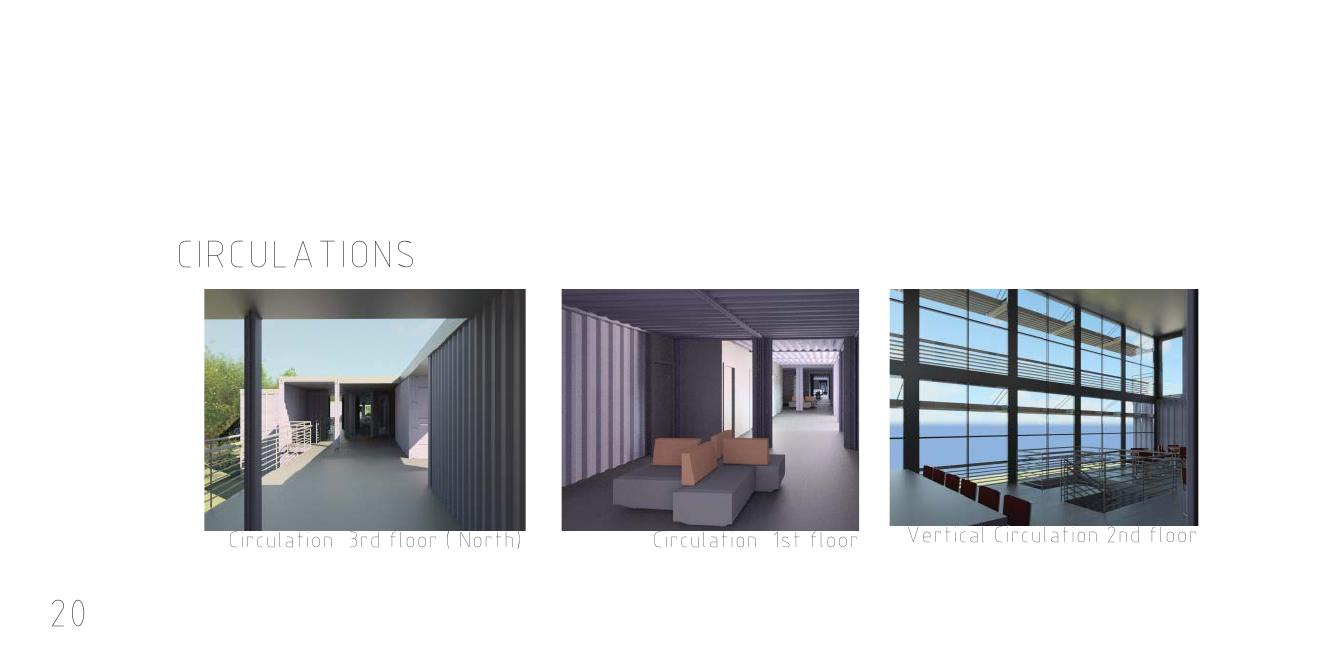
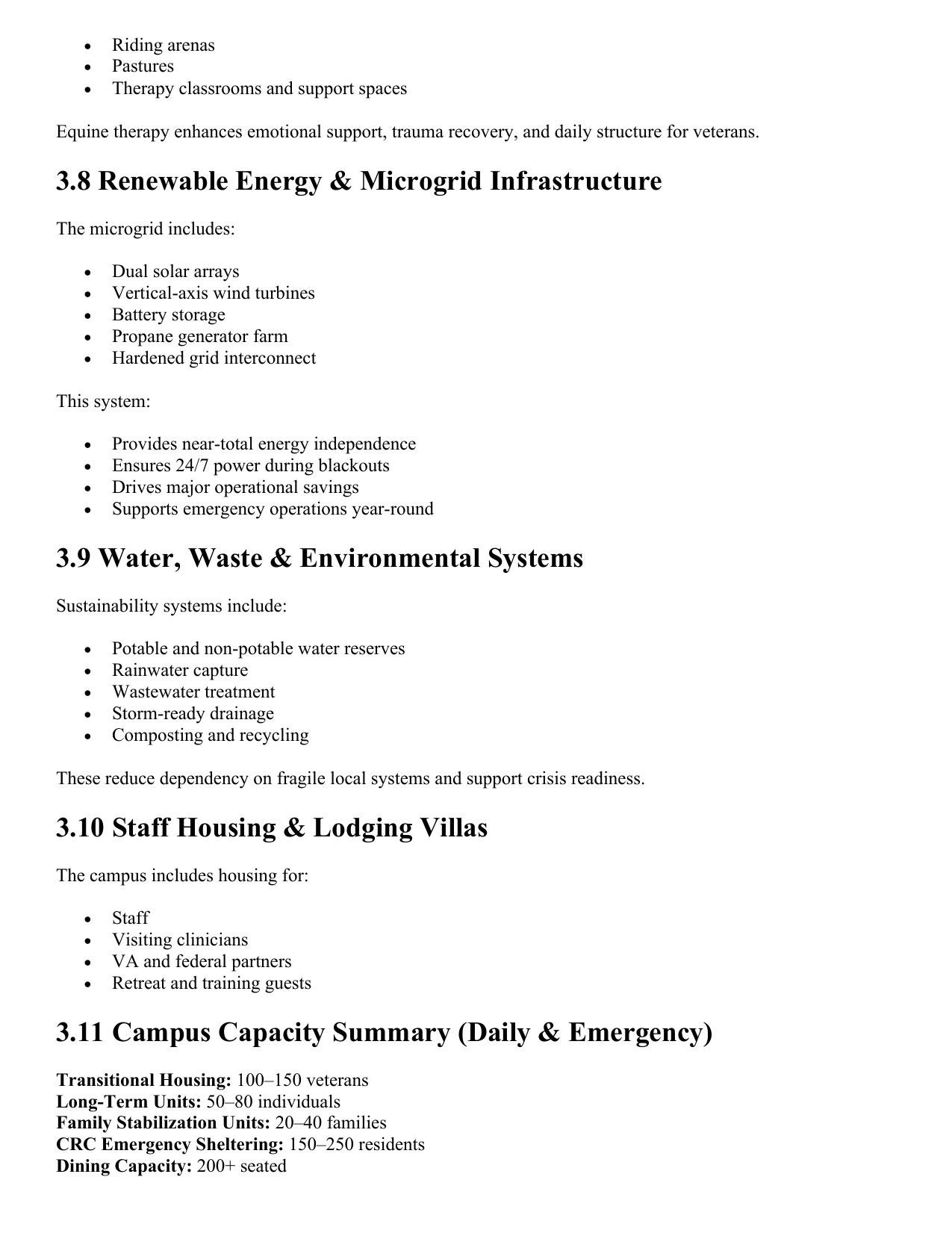
Layered solar, wind, storage, and generator architecture controlled by The Vault.Concept rendering illustrating dual solar arrays and microgrid infrastructure.Business-plan excerpt that explains renewable power, battery storage, and emergency performance.
Search the site
Connect with STX Vets Project
Message our team
Whether you represent investors, federal partners, local government, or you are an individual supporter, we would love to hear from you. Choose the option that fits best and send us a note.