Campus Overview
The STX Resilience Campus is a fully integrated humanitarian, renewable-energy, and disaster-response ecosystem designed to uplift veterans, stabilize families, support St. Croix residents, and continue operating during extreme weather and long-term outages.
Review how the districts interlock, how the site performs during crisis, and how the plan aligns with our financial model and Five Pillars framework.
The Campus now includes a fabrication and vocational hub where veterans learn to build the very housing, micro-enterprises, and resilience assets that keep the community self-expanding and replicable.
Campus Snapshot
Operational Pulse
The campus operates with a predictable daily “heartbeat” during normal conditions and can pivot into full humanitarian response mode within hours. These metrics reflect veteran support, resilience capacity, and community impact in both blue-sky and crisis scenarios.
Veteran & Family Support
Daily footprint: 360-510 people daily are housed, counseled, trained, or seen by on-site healthcare teams every day.
Surge mode: CRC, Village 5, program halls, and villas expand the care footprint to 470-710 people supported in emergency response during regional emergencies. Housing units convert to ELZ-aligned surge shelters with pre-planned intake and logistics.
Wraparound services include behavioral health, job training, financial counseling, addiction recovery, family services, and daily wellness operations coordinated through the CRC and Village 5 hubs.
Renewable Power Heartbeat
Dual 5-acre solar arrays, microgrid batteries, and hybrid generators sustain 100% uptime for critical systems for 14+ days completely off-grid.
In normal operations, surplus renewable power is sold back to the USVI grid under net metering and PPA structures, creating a durable revenue stream to support campus operations and veteran programs.
Smart load-balancing automatically prioritizes medical, refrigeration, communications, and water operations during grid loss or disaster conditions.
Local Jobs in Motion
Campus operations sustain 95-120 permanent roles and 150-220 seasonal and vendor-supported jobs across construction, agriculture, logistics, kitchen operations, facilities, security, wellness, and veteran services.
Over 80% of payroll and procurement dollars stay on St. Croix, supporting local families and strengthening the island’s workforce resilience.
Job training pipelines feed directly into construction, renewable energy, agriculture, and security roles — ensuring veterans and local residents gain immediate career pathways.
Emergency Activation Speed
The CRC, hardened hall, kitchens, logistics yards, and ELZ shelters activate into crisis support mode within six hours.
Pre-labeled staging zones streamline food distribution, communications setup, generator sync-up, supply intake, and partner ingress/egress.
The campus acts as a regional stabilization node capable of coordinating with FEMA, USVI agencies, local fire/EMS, and private NGO partners within a unified operations framework.
Clinical Continuity & Telehealth Reach
Nurse-led daily care, on-site medical bays, and telehealth-enabled access to VA and external clinicians ensure uninterrupted medical support during normal operations and emergencies.
During grid outages or regional crises, the campus sustains clinical operations while extending virtual care access to specialists and partner systems.
Explore Health & Medical ServicesFabrication & Replicator Hub
The campus includes a fabrication and vocational hub where veterans learn to build housing, launch micro-enterprises, and produce resilience assets that strengthen St. Croix and support regional recovery.
From Training to Real-World Production
Veterans start in the CRC for intake, then move into hands-on training inside the Hub. They learn modular construction, microgrid installation, welding, CNC machining, and digital fabrication on real campus projects.
The same shop that teaches skills is also building the campus itself — housing pods, utility structures, fixtures, and future expansion units — keeping dollars and capability on-island.
To preserve the campus atmosphere, heavy industrial fabrication is located inland near logistics corridors, while a clean on-campus Fab Annex focuses on training, light assembly, and public-facing demos.
The “Replicator” Model
Graduates can step into campus roles or launch veteran-led microenterprises that design and build modular housing, fixtures, solar systems, or emergency-response units for the campus and regional partners.
The Hub functions as a living incubator where veterans test ideas, build products, and grow sustainable businesses with the campus as their first customer.
Regional Resilience Asset
In a hurricane-prone region, the Hub can rapidly produce emergency shelters, portable solar generators, and critical infrastructure modules to support St. Croix and neighboring islands after major storms.
Investor dollars here fund a permanent resilience resource for the USVI.
Explore the HubAt-a-Glance and Key Links
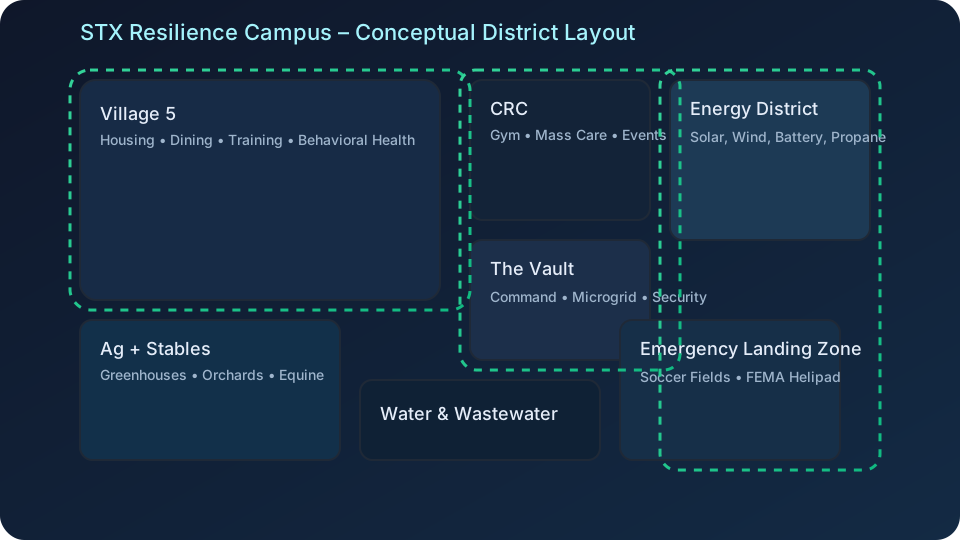
The campus is composed of multiple interlocking districts. Each has its own page with detailed descriptions, diagrams, and operational roles:
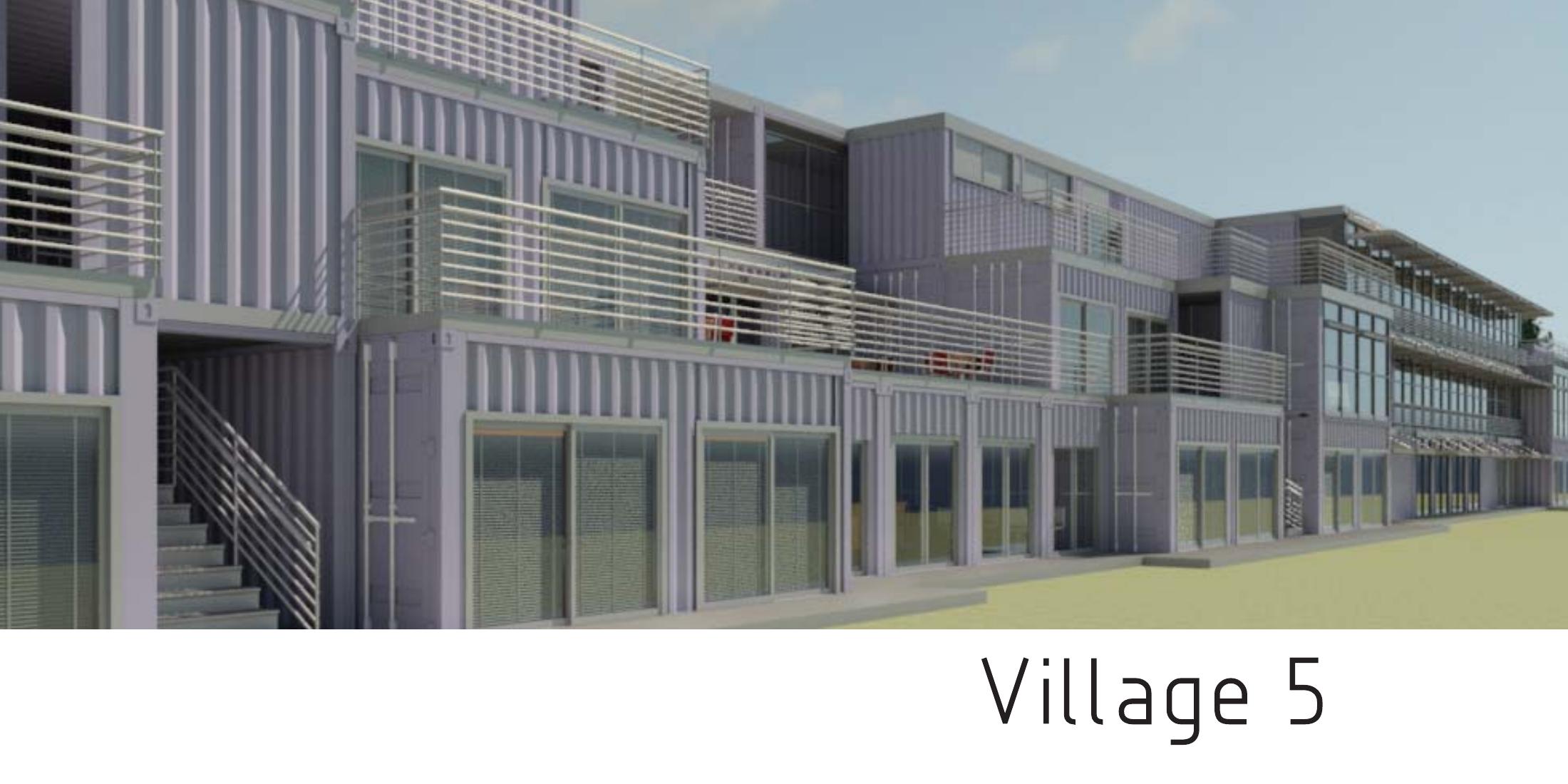
- Village 5 – Veteran housing, behavioral health, and campus operations
- Community Resilience Center (CRC) – Gymnasium, shelter, and event hub
- The Vault – Command, communications, and microgrid control
- Veteran & Family Housing, Villas, and Staff Housing
- Energy Systems – Solar, wind, generators, and batteries
- Water & Wastewater Systems
- Technology & Communications Infrastructure
- Waste Management & Treatment
- Agriculture & Food Systems
- Stables & Equine Therapy Center
- Emergency Landing Zone (ELZ)
- Fabrication & Replicator Hub
- Island-Wide Impact and Outcomes
Together, these districts form a single, master-planned system that functions as a resilience hub, a socio-economic engine, and a veteran-supporting ecosystem for St. Croix.
Explore the Campus Map
Tap any highlighted district to jump into the detailed page describing its mission, programs, and role in the resilience stack. The map reflects the current 40-50 acres configuration with dual solar fields and logistics corridors connecting every district to the CRC, Vault, and ELZ.
Housing & Stability
Veterans and their families live in safe, dignified homes that provide the foundation for healing and growth. The 40-50 acres campus includes both transitional and long-term housing, with on-site support staff and access to every program.
- Transitional and permanent housing clusters
- Family-friendly layouts with privacy and support
- Transportation, case management, and daily assistance
Counseling, Wellness & Peer Support
Trauma-informed, veteran-aware mental health services operate alongside peer-led programming. Confidential support, resilience workshops, and family counseling help veterans rebuild relationships and stability.
- Individual and group counseling
- Peer support and family sessions
- Stress-reduction, fitness, and wellness labs
Agriculture & Greenhouse Training
Agriculture is both therapy and opportunity. Veterans work in greenhouses, orchards, and growing spaces that support island food security while delivering certification-based training.
- Greenhouse operations and soil/hydroponic systems
- Crop production, harvesting, and food distribution
- Therapeutic, hands-on work in nature
Equine-Assisted Therapy
Structured interaction with horses supports emotional regulation, confidence, and trust-building. The stables district is a calming zone where veterans can decompress and connect.
- Grooming and bonding sessions
- Groundwork exercises and mindfulness
- Confidence-building activities with licensed facilitators
Culinary Arts & Event Center
The teaching kitchen and event center provide real-world training in culinary arts and hospitality — key sectors across the USVI. These programs also power the blue-sky hospitality experience that sustains the campus.
- Teaching kitchen, culinary lab, and food safety certifications
- Event setup, guest services, and on-campus revenue generation
- Swim-up service bar, lazy river, and retreat-quality amenities that support healing
Renewable Energy & Resilient Infrastructure
The campus is powered by dual five-acre solar fields, wind assets, battery storage, and hardened microgrid infrastructure. Veterans gain hands-on technical experience while the island gains a resilience hub.
- Microgrid operations and battery management
- Disaster-hardened utilities and distributed water systems
- Training paths in energy, resilience, and facilities operations
Campus Workforce & Employment
Veterans can “earn while they rebuild” by working across campus operations. Roles now include the option to design and build a personal modular home as a certification capstone, pairing stable housing with real assets and long-term employment on St. Croix.
- Agriculture and greenhouse crews
- Culinary, hospitality, and event support
- Maintenance, logistics, fabrication, and facilities operations
Designed for Resilience
Every structure is engineered for Category-5 hurricane conditions, with reinforced construction, distributed power, redundant communications, and autonomous water and wastewater systems. During island-wide blackouts, the campus remains fully operational—providing power, food, shelter, communication, and medical stabilization.
Built to Replicate
The 40-50 acres master plan is intentionally modular. Housing clusters, the CRC, Vault, agriculture spine, and energy districts can be scaled up or down in other territories and rural communities. What we build on St. Croix becomes a blueprint for Puerto Rico, Guam, American Samoa, and beyond.
Future phases include the full Fabrication & Replicator program, giving partner campuses access to prefabricated villas, container labs, and disaster-response kits produced on St. Croix. The hub becomes a centralized manufacturing playbook: design at Codex, fabricate at STX, deploy across the Caribbean.
Campus Renderings & Site Concepts